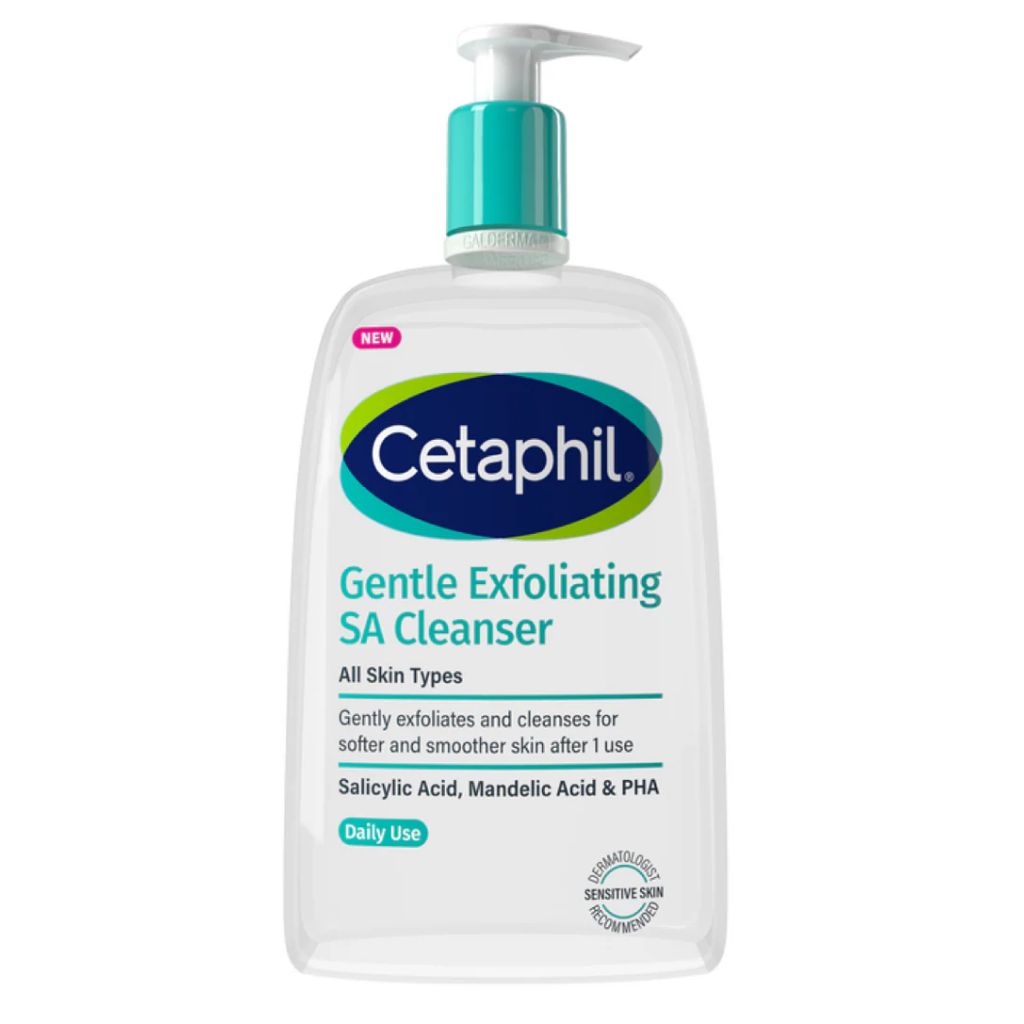
Clean skin feels wonderful, yet that tight, parched sensation after washing signals trouble. A cleanser should remove dirt and oil while leaving the natural protective layer intact. Disrupting this barrier leads to redness, flakiness, and increased sensitivity. Choosing the correct product requires attention to a few key details. The right face cleansers protect the skin’s health and maintain its comfortable balance.
Know your skin type:
Identifying the skin type serves as the first step toward a suitable cleanser. Oily skin produces excess shine and benefits from lightweight, gel-based options that cut through grease. Dry skin feels rough and looks dull, so creamy formulations with gentle properties work best. Combination skin features an oily forehead and nose with dry cheeks, needing a product that addresses both zones.
Check the ingredient list:
Reading the label provides valuable clues about a product’s effect on the skin. Avoid sulfates like sodium lauryl sulfate that create excessive foam and remove too much oil. Seek out hydrating components such as glycerin, hyaluronic acid, or aloe vera that attract moisture. Ceramides and fatty alcohols help reinforce the skin’s outer layer against moisture loss. Products with a short, recognizable ingredient list often prove gentler than those with long chemical names.
Test the texture and consistency:
The physical feel of a cleanser influences its performance on the skin. Gel textures work effectively for oily types by dissolving surface impurities without heavy residue. Cream and milk varieties provide a soothing experience suitable for dry and mature skin. Foaming washes offer a deep clean but sometimes overstrip if used twice daily. Oil-based cleansers dissolve makeup and sunscreen while leaving the skin soft and supple after rinsing.
Evaluate the cleansing action:
Observing how the skin reacts immediately after washing reveals the true nature of the product. Healthy skin retains a slight bounce and never feels squeaky clean or rubbery. A comfortable cleanser leaves no tightness across the forehead or around the mouth area. Rinsing should remove all traces without requiring vigorous rubbing or extra effort. Redness or stinging during application signals an unsuitable match that needs replacement.
Adjust frequency and technique:
Using a cleanser correctly proves equally important as choosing the right formula. Limit washing to twice daily morning and evening to preserve natural oils. Use lukewarm water instead of hot temperatures that worsen dehydration. Gently massage the product using circular motions for about sixty seconds. Pat the face dry with a clean towel rather than rubbing the skin harshly.


